Review: Handcuffs Police Law Funny Police Design
As a designer who spends more time staring at stitch simulations than I do sleeping, I approach every new digital embroidery file with a mix of excitement and skepticism. We've all been there: you download a graphic that looks crisp on the screen, only to watch it turn into a bird's nest of thread once the machine starts humming. Today, I'm taking a close look at the Handcuffs Police Law Funny Police design. This isn't just a quick glance at a preview image; this is a breakdown of how this specific graphic holds up when translated from a vector or raster image into a tangible, stitched reality for your next craft business venture.
First Impressions and Visual Personality
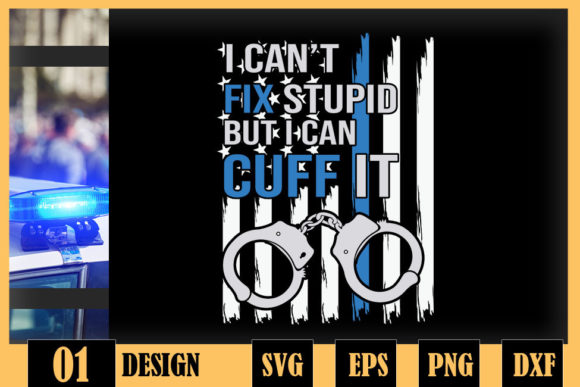
The moment you load the Handcuffs Police Law Funny Police file into your preferred software—whether that's Cricut Design Space, Silhouette Studio, Corel Draw, Adobe Illustrator, or Photoshop—the first thing that strikes me is the attitude. It's bold, slightly irreverent, and instantly communicates a theme. In the world of Crafts and Graphics, finding a balance between "funny" and "professional enough to sell" can be tricky. This design leans heavily into the novelty aspect, which makes it a powerhouse for specific niches.
Visually, the layout suggests a strong central motif. For an embroidery project, this is crucial. Designs that rely on tiny, scattered details often get lost in the texture of the fabric. From what I can see in the source files, the shapes are defined enough to handle conversion into satin stitches or fill stitches without losing their identity. The "funny" element likely relies on typography or a specific caricature style, which means we need to be very careful about how those lines translate into thread. If the original graphic has fine hairlines, they might need thickening up before they ever touch the hoop.
Real-World Application: The Custom Sweatshirt Scenario
Let's move away from theory and talk about a real case. Imagine a customer comes into your small shop asking for a gift for their partner who just graduated from the police academy or works in law enforcement. They want something that isn't the standard, stiff uniform patch. They want personality. This is where Handcuffs Police Law Funny Police shines as a potential custom apparel centerpiece.
I envision this design sitting right in the center of a heather grey crewneck sweatshirt. The soft texture of the fleece provides a great backdrop for the sharp lines of the handcuffs and text. However, before I promise this to a client, I'm thinking about the stitching clarity. If the design includes small lettering as part of the "Funny Police" tagline, I would immediately test it on a scrap piece of the same sweatshirt material. Stretchy fabrics like fleece can cause registration issues if the stitch density is too high. A dense fill stitch might cause the fabric to pucker, ruining the clean look of the handcuffs.
For this specific project, I'd recommend using a cut-away stabilizer rather than tear-away. Since a sweatshirt is a garment that will be worn and washed repeatedly, the stability of the design is paramount to maintaining the value of your handmade product. If the design shifts after three washes, your reputation as an Etsy seller or boutique owner takes a hit. The visual appeal here depends entirely on crisp edges and flat stitching.
Navigating Fabric Textures and Hoop Constraints
One of the biggest challenges with any graphic-based embroidery is adapting it to different surfaces. While the sweatshirt idea is solid, let's consider a tote bag design. Canvas tote bags are popular, but they have a distinct weave. If the Handcuffs Police Law Funny Police design relies on very fine running stitches to create shading or detail, those threads might sink into the canvas weave, making the image look muddy. In this scenario, you might need to adjust the underlay settings or switch to a heavier weight thread to ensure the design pops against the textured background.
We also need to talk about hoop size. If you are planning to use this for a baby embroidery project, perhaps on a onesie or a small bib, you are immediately constrained by the smaller hoop sizes available on most home machines. You must check the dimensions of the design file before purchasing or committing to the project. If the graphic is too large, scaling it down might render the text illegible. There is nothing worse than a "funny" message that becomes an unreadable blob because it was shrunk to fit a 4x4 hoop. Always verify the minimum viable size in your software before cutting fabric.
Curved surfaces present another hurdle. Applying this to a structured cap is a classic move for police-themed gear, but the curvature of the front panel distorts the perspective. A design that looks perfectly proportional on a flat screen can look stretched or compressed once stitched onto a curved hat. If you attempt this, I strongly advise doing a test run on a cheap, similar-structure cap first. Check how the satin stitch columns flow over the curve; if they gap or bunch up, the professional look is lost.
Commercial Viability and Brand Consistency
For the creative entrepreneurs and digital product sellers out there, the question isn't just "does it look good?" but "does it sell?" The Handcuffs Police Law Funny Police design hits a specific emotional note. It's not just decor; it's a statement. This increases its giftability factor. People love buying gifts that reflect the recipient's profession with a sense of humor. Whether it's for holiday embroidery gifts, retirement presents, or just a fun Friday wear item, the market potential is there.
However, brand consistency is key. If your shop specializes in delicate, floral applique designs and soft pastels, dropping a bold, edgy police graphic might confuse your audience. But if your brand is about bold statements, pop culture references, or profession-specific gear, this asset fits perfectly. It adds variety to your catalog of design assets without requiring you to draw everything from scratch.
When presenting this to customers via printable mockups, pay attention to thread color contrast. On dark navy uniforms or black t-shirts, you'll need bright, high-contrast thread colors to make the handcuffs and text stand out. On light fabrics, you might need to introduce an outline or a backing to prevent the fabric color from showing through the stitches, which can happen with lower density fills.
Practical Designer Notes for Success
Before you list this as a small shop product or stitch it for a high-paying client, here is my checklist for ensuring the finished product meets professional standards:
- Test on Scrap First: Never skip this. Stitch the design on the exact same fabric and stabilizer combination you plan to use for the final item.
- Check Thread Contrast: Ensure your thread palette creates enough separation between the elements of the design so they don't blend together.
- Review Stitch Density: If the design feels stiff or board-like after stitching, reduce the fill density in your software if possible, or suggest a lighter fabric to the client.
- Inspect Small Details: Zoom in on the digitized version. Are there tiny jumps or trims that could cause thread breaks? Smooth them out before production.
- Verify Licensing: This is critical for commercial use. Since this is a graphic intended for various software programs, confirm the license terms regarding selling physical finished goods versus selling the digital file itself.
- Mockup in Black and White: Sometimes seeing a design without color helps you identify structural weaknesses in the layout or spacing.
In conclusion, the Handcuffs Police Law Funny Police design offers a fun, thematic option for decorators looking to expand their repertoire beyond traditional motifs. It requires a thoughtful approach to fabric selection and stabilization, particularly when dealing with stretchy or textured materials. But with the right preparation and a keen eye for detail, it can be transformed from a simple graphic into a high-value, conversation-starting piece of custom art. Whether you are making a single personalized gift or batching orders for a craft fair, treating the design with this level of scrutiny is what separates the hobbyists from the pros.