Review: Thin Line Police Heart Back the Blue Design
As a designer who spends more time staring at stitch maps than most people care to admit, I approach every new machine embroidery design with a mix of optimism and skepticism. We have all been there: you buy a file based on a pretty thumbnail, only to find out the stitch density is a mess or the details vanish once the thread hits the fabric. Today, I am taking a close look at the Thin Line Police Heart Back the Blue graphic to see if it holds up under the needle for real-world projects.
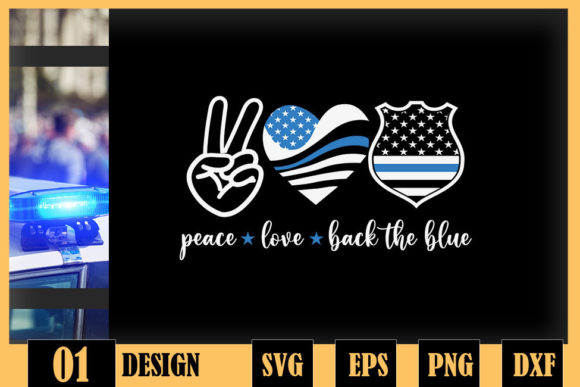
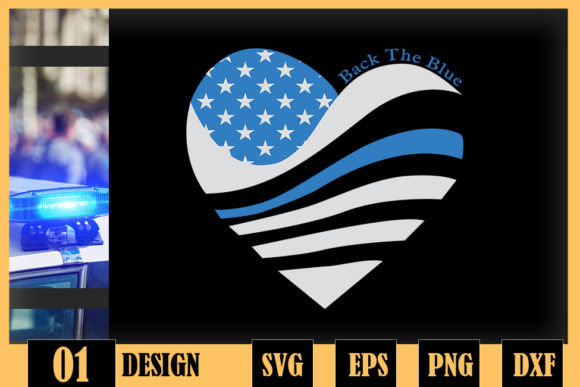
The first thing that strikes me about this asset is its clean, modern aesthetic. In the world of Crafts and digital Graphics, simplicity often wins, especially when dealing with symbolic imagery. The "Thin Line" concept relies heavily on contrast and clarity. If the lines are too thick, it loses its delicate meaning; if they are too thin, the thread bleeds together. This design appears to strike a balance that suggests it was created with an understanding of how thread behaves, not just how vectors look on a screen.
Visual Impact and Project Fit
The mood of this piece is respectful yet stylish. It avoids being overly aggressive, which makes it versatile for a wide range of applications beyond just law enforcement uniforms. When I visualize this as a finished product, I immediately think of custom apparel. Imagine this stitched in crisp white or silver thread on a navy blue sweatshirt. The contrast would be striking without being loud.
I recently considered a scenario where a local boutique wanted to create a line of supportive merchandise for a community event. They needed something that felt handmade but professional. The Thin Line Police Heart Back the Blue fits this perfectly. It works beautifully as a left-chest logo on a polo, a central feature on a tote bag design, or even as a subtle accent on a baby embroidery project for a newborn gift to a police family. The heart shape softens the authoritative nature of the badge theme, making it approachable for everyday wear.
For Etsy sellers and small shop owners, visual appeal translates directly to sales. This design has strong recognition value. Customers scrolling through listings need to understand the message instantly. The layout here is intuitive. Whether you are creating holiday embroidery gifts or year-round boutique branding, the clarity of the lines ensures the message lands effectively.
Performance on Different Materials
One of the biggest challenges in commercial embroidery is adapting a single design to various fabric textures. A design that looks great on twill might disappear on a fluffy towel. With the Thin Line Police Heart Back the Blue, fabric choice is critical. Because the design relies on distinct lines, I would recommend using it on medium-to-heavy weight fabrics where the stabilizer can do its job without the material puckering.
For a sweatshirt embroidery project, this design should perform well. The loops of French terry provide enough grip for the stitches to sit flat. However, if you are attempting this on a stretchy performance tee or a thin cotton shirt, you must be cautious. Thin lines can easily get distorted by the stretch of the fabric during wear and washing. In those cases, using a high-quality cutaway stabilizer is non-negotiable to maintain the integrity of the shape.
I also see potential for this as an embroidered patch. If you digitize or adapt this graphic onto a twill base with a satin stitch border, it could become a durable morale patch for caps or bags. The simplicity of the shape lends itself well to the column stitching used in patch making. Just ensure that the "thin line" elements are wide enough to be covered by at least two or three passes of satin stitch, otherwise, the underlying fabric might peek through.
Technical Considerations for Stitching
Before you load this into your machine, there are practical steps to take. Since this product is listed as a graphic compatible with software like Cricut Design Space, Silhouette Studio, Corel Draw, Adobe Illustrator, and Adobe Photoshop, it is vital to confirm the file format you actually need. If you are doing machine embroidery, you need a specific embroidery file (like PES, DST, or XXX), not just a vector or raster image. If the download includes source files for editing, fantastic; if it is just an image, you may need to digitize it yourself or hire a digitizer to convert it into a stitch-ready format.
Assuming you have a properly digitized version, pay attention to stitch density. High-density areas can cause needle heat and thread breakage, especially on synthetic fabrics. Run a test on scrap fabric first. This is the golden rule of our trade. Check how the thread colors contrast against your background. While blue and black are traditional, don't be afraid to experiment with grey, silver, or even red thread to create a unique look for a personalized gift.
Hoop size is another factor. This design looks compact, which is great for small items like cap fronts or pocket logos. However, ensure your hoop is large enough to accommodate the stabilizer frame without the fabric slipping. Curved surfaces like caps require extra attention; the design should be centered perfectly, or the asymmetry will be obvious to the naked eye.
Commercial Viability and Brand Trust
For creative entrepreneurs, the value of a design isn't just in how it looks, but in how it elevates the brand. Using a crisp, well-executed design like Thin Line Police Heart Back the Blue signals professionalism. Sloppy stitching or poorly chosen graphics can undermine customer trust. When a buyer sees a clean, sharp heart emblem on a tote bag or apron, they perceive higher quality.
This design also offers excellent potential for printable mockups. Before committing to stitching a dozen units, use the graphic assets to create digital previews. Show your clients how the design will look on different garment colors. This step saves time and materials, ensuring that the final product matches the customer's expectation.
However, a word of caution regarding licensing. The description mentions compatibility with various design programs, but always verify the license terms before selling finished items. Some creators allow personal use only, while others permit commercial sales of physical goods. Confirming this protects your craft business from legal issues down the road.
Final Verdict for Makers
In my evaluation, the Thin Line Police Heart Back the Blue is a strong contender for anyone looking to add meaningful, symbolic items to their inventory. Its strength lies in its versatility and clear visual language. It bridges the gap between serious support and fashionable design.
To get the best results, treat it with the respect it deserves. Choose your fabrics wisely, invest in good stabilizer, and never skip the test stitch. Whether you are making a one-off holiday gift or running a full-scale custom apparel operation, this design has the potential to be a staple in your library. It reminds us that sometimes, the simplest lines carry the heaviest weight, and when executed with precision, they create a lasting impression.
So, pull up your software, check your thread palette, and give this design a try. With the right preparation, it can transform a plain piece of fabric into a powerful statement piece that resonates with your community.