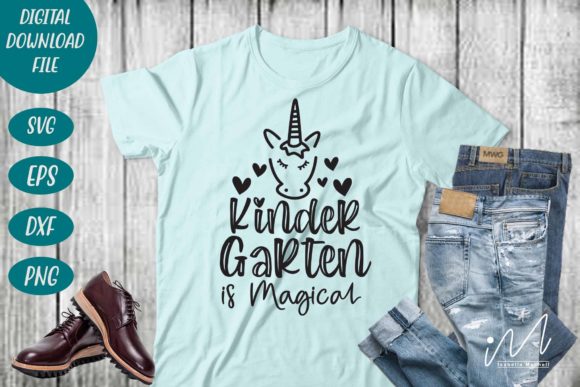
Review: Kindergarten is Magical SVG for Embroidery
As a designer who spends more time staring at stitch simulations than I care to admit, I have learned that not every cute graphic translates well to thread. We see thousands of files labeled as machine embroidery design assets, but the gap between a crisp vector on a screen and a textured, stitched reality is where many projects fail. Recently, I pulled the Kindergarten is Magical Svg into my workflow to evaluate its potential for real-world application. This isn’t just about whether the file opens correctly; it is about whether it holds up under the needle, satisfies a client, and adds genuine value to a handmade product.
First Impressions: Mood and Visual Personality
The phrase “Kindergarten is Magical” carries a specific emotional weight. It targets parents, teachers, and gift-givers who view this educational milestone with a mix of nostalgia and excitement. Visually, the design relies heavily on typography. In the realm of Graphics for Crafts, text-based designs are deceptively simple. They require perfect kerning and legibility, especially when converted from a digital path to physical thread.
My initial observation of the Kindergarten is Magical Svg was positive regarding its layout. The quote suggests a whimsical, perhaps slightly rounded or playful font style, which aligns perfectly with the target demographic. For an embroidery project, this mood dictates the thread choices. You are not looking for industrial, stark contrasts here. You are looking for softness. The design feels native to nursery decor, back-to-school apparel, and personalized keepsakes. It does not scream for attention; rather, it invites a closer look, which is exactly what you want in a personalized gift.
Real-World Application: From Screen to Stitch
To truly test the viability of this digital embroidery file, I imagined a specific client scenario. A local boutique owner wanted a run of twenty canvas tote bags for a preschool fundraiser. She needed something that looked professional yet approachable. This is where the Kindergarten is Magical Svg shines. Because the file formats provided include SVG, DXF, and EPS, the design is versatile. However, as an embroiderer, I am primarily concerned with how these vectors translate into stitch files using my digitizing software.
For a tote bag design, the fabric is stable and thick, allowing for higher stitch density without puckering. I visualized the quote centered on the bag, perhaps with a small accompanying icon if the design allows, or standing alone as a bold statement. The clarity of the letters is crucial here. If the strokes are too thin, they will disappear into the canvas weave. If they are too thick, the bag becomes stiff and heavy. The balance in this particular SVG suggests it can be scaled appropriately to maintain legibility without becoming a block of dense thread.
Beyond totes, consider sweatshirt embroidery. This is a high-demand category for Etsy seller accounts during the late summer and early fall. Applying this design to a heather grey or pastel pink crewneck creates an instant bestseller. The soft texture of the fleece complements the "magical" sentiment. Here, the fabric texture plays a huge role. You must ensure that the stitch type—likely a combination of fill stitch for larger areas and satins stitch for borders or smaller text elements—does not sink into the pile of the fabric. Using a cutaway stabilizer is non-negotiable in this context to maintain the shape of the letters after washing.
Technical Considerations and Potential Pitfalls
While the design is charming, practical experience dictates caution in specific areas. Not every surface is friendly to text-based embroidery. Let’s discuss where you should pause before hitting "start" on your machine.
- Small Hoop Sizes: If you are attempting to place this on a small item, such as a baby sock or a tiny pocket, check the minimum readable size. Tiny lettering can become illegible if the stitch count is too low or if the threads merge together.
- Stretchy Fabrics: Applying this to a stretchy jersey t-shirt requires careful stabilization. Without proper hooping and a tear-away or cutaway stabilizer, the text may warp, turning "Magical" into something unrecognizable.
- Dark Fabrics: If you are stitching on navy or black, you must consider underlay stitches. A lack of proper underlay can cause the background fabric to peek through the light-colored thread colors typically used for this theme, such as whites, yellows, or pastels.
- Curved Surfaces: Embroidering on a cap is tricky. The curvature can distort horizontal text. You may need to adjust the pull compensation in your digitizing software to ensure the letters remain straight and evenly spaced.
It is also vital to remember that while you receive SVG, DXF, and EPS files, these are vector graphics, not native embroidery files like PES or DST. You will need appropriate software to convert these vectors into stitch data. This step is where your expertise as a designer comes into play. You must define the stitch types, direction, and density. Do not assume the auto-digitize function will yield perfect results. Manual refinement is often required to smooth out corners and ensure clean entry and exit points for the needle.
Enhancing Product Value and Brand Consistency
Why choose this specific design over a generic clipart set? The answer lies in brand consistency and perceived value. For a small shop product line, having a cohesive aesthetic is key. The Kindergarten is Magical Svg offers a polished look that elevates a simple garment into a custom apparel piece. When customers see clean, well-spaced lettering, they associate it with quality. Sloppy stitching or poorly scaled designs erode trust.
Furthermore, this design works exceptionally well for holiday embroidery projects, specifically back-to-school seasons. It captures a fleeting moment in a child’s life. Parents are willing to pay a premium for items that commemorate these milestones. By using a high-quality base design and executing it with precision, you increase the finished product's appeal. It becomes more than just a shirt; it becomes a memory.
Practical Designer Notes for Best Results
Before you list this as a new item in your store or stitch it for a client, follow these practical steps to ensure success:
- Test on Scrap Fabric: Never stitch directly on your final garment. Use a scrap piece of the same material to test tension and density.
- Check Thread Contrast: Ensure your thread color stands out against the fabric. High contrast improves readability, which is essential for text-based designs.
- Review Stitch Density: Too much density causes puckering; too little looks sparse. Adjust based on the fabric weight.
- Confirm Hoop Size: Make sure the design fits comfortably within your hoop with adequate margin for stabilization.
- Inspect Small Details: Zoom in on your digitized file. Look for overlapping stitches or unnecessary jumps that could cause thread breaks.
- Mockup Testing: Create digital mockups in both black and white to verify that the design holds its structure without relying on color for definition.
- Licensing Verification: Always confirm the license terms. While this file is suitable for creating physical items for sale, ensure you understand the restrictions regarding digital resale or mass production limits.
In conclusion, the Kindergarten is Magical Svg is a strong candidate for your design assets library. It bridges the gap between sentimental value and commercial viability. Whether you are creating an embroidered patch for a backpack or a full-front baby embroidery piece for a onesie, this design offers the flexibility and charm needed to succeed. Treat it with the technical respect it deserves, and it will serve your craft business well.