Namaste Yoga: A Designer's Review for Real Embroidery Projects
When I first pulled up the Namaste Yoga file on my screen, my immediate reaction wasn't just about the aesthetic; it was about feasibility. As a designer who spends hours digitizing and stitching out files for clients, I look at every machine embroidery design through a lens of practicality. Will this stitch out cleanly on a textured towel? Can I scale this down for a baby onesie without losing the integrity of the lines? The Namaste Yoga graphic, originally marketed as an SVG and DXF for cutting machines, presents an interesting challenge and opportunity for us in the embroidery world. It carries a serene, grounded mood that fits perfectly with the current wellness trend, but translating a vector cut file into a stitched embroidery project requires a critical eye.
First Impressions and Visual Personality
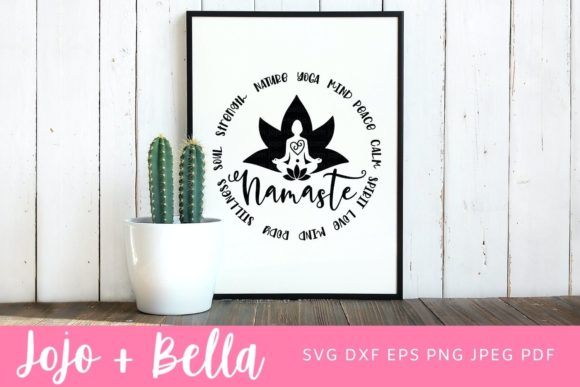
The visual personality of Namaste Yoga is clean and modern. It avoids the overly ornate flourishes that often plague yoga-themed graphics, opting instead for a streamlined look that suggests balance and simplicity. For an embroidery designer, this is usually a good sign. Complex, tiny details often turn into thread nests under the needle, whereas bold, clear shapes tend to translate well into satin stitch or wide fill stitch areas. The layout feels balanced, likely centering around the word "Namaste" paired with a subtle icon or floral element, which is a classic composition for custom apparel.
However, because this product is categorized under Crafts and Graphics as a cut file, we have to be careful. A design optimized for vinyl cutting relies on continuous paths that a blade can follow. Embroidery, conversely, relies on stitch direction and density. If you are planning to use this as a base for an applique design, where the fabric is cut and then stitched down, this file is likely perfect right out of the box. But if you intend to stitch the design directly onto fabric using thread alone, you may need to do some digitizing work or ensure you have a specifically embroidered version of the file. Assuming we are treating this as a reference for a stitched piece or an applique insert, the potential for a high-quality finished product is significant.
Real-World Application: The Boutique Tote Bag Scenario
Let's walk through a realistic scenario. Imagine a client comes to your craft business requesting a set of five tote bags for a local yoga studio's upcoming retreat. They want something elegant but durable. This is where Namaste Yoga shines. A tote bag offers a large, stable canvas, usually made of cotton canvas or heavy linen, which handles stitch density well.
In this context, I would approach Namaste Yoga as a central chest logo or a lower-corner accent. If using it as an applique, I'd select a soft, heathered grey fabric for the shape to contrast against a natural beige bag. The result is a professional, boutique-looking item that feels handmade but polished. Customers reacting to this handmade product would likely appreciate the tactile quality of the stitching combined with the meaningful quote. It elevates a simple bag into a personalized gift or a piece of branded merchandise that people actually want to carry around, rather than hide in a closet.
For Etsy sellers and small shop owners, this kind of versatility is gold. You aren't just selling a stitch-out; you are selling a vibe. The design works equally well on a sweatshirt embroidery project for a cozy winter collection or as a tote bag design for spring markets. The key is recognizing that the simplicity of the graphic allows the texture of the thread and the fabric to take center stage.
Technical Considerations and Fabric Challenges
While the design is promising, there are specific scenarios where Namaste Yoga demands caution. If you are working with stretchy fabrics, like a performance yoga legging or a thin rayon tee, the stability of the design becomes paramount. Without the correct stabilizer, even a simple design can pucker, distorting the lettering and ruining the "zen" aesthetic. I always advise testing on scrap fabric first, especially when dealing with mixed materials.
Another critical factor is the hoop size. If you plan to place this on a cap or a curved surface, you must ensure the design fits within the limitations of your cap frame. Curved surfaces distort designs differently than flat ones; a long horizontal layout might arch awkwardly over the front panel of a hat. Similarly, if you are aiming for baby embroidery on a small bodysuit, you must check the smallest details. Tiny lettering or fine lines that look crisp on a computer screen can disappear or blob together when stitched at a small scale. Always inspect small details by running a test stitch-out at the intended size before committing to the final garment.
Color choice is also vital. While the original file might be black, embroidery thrives on contrast. On dark fabrics, a standard black thread will vanish. You might need to switch to a metallic gold or a soft cream to maintain visibility. Conversely, on white fabrics, ensure your thread colors provide enough definition so the design doesn't look washed out. Testing the design in black and white mockups can help you judge the contrast levels before you ever thread the needle.
Enhancing Brand Value and Customer Trust
Using a well-chosen design like Namaste Yoga directly impacts your brand consistency and customer trust. When a buyer receives an item where the stitching is clean, the alignment is perfect, and the design choice feels intentional, it reinforces their perception of your professionalism. In the world of commercial embroidery, these details separate the hobbyists from the serious small shop product creators.
This design has strong "giftability." Whether it's for holiday embroidery projects, wedding favors for a yoga-loving couple, or nursery decor, the universal appeal of the message resonates. It creates an emotional connection. For digital product sellers, offering this as part of a bundle (if you have the rights to create derivative embroidery files) could increase engagement. However, for physical goods, the value lies in the execution. A poorly stitched version of a beautiful design hurts your reputation, while a perfectly executed one can become a bestseller.
Practical Notes for the Working Designer
Before you start stitching, keep these practical steps in mind to ensure success with Namaste Yoga:
- Verify Licensing: Since this is sold as a cut file (SVG/DXF), confirm the license terms before selling finished embroidered items. Some graphic licenses restrict commercial use of the physical product, even if you stitched it yourself.
- Check File Compatibility: Ensure you have the correct digital embroidery file format for your machine (PES, DST, EXP, etc.). If you are digitizing this from the SVG yourself, pay close attention to pull compensation.
- Stabilizer Selection: Match your stabilizer to your fabric. Cut-away is generally safer for stretchy knits, while tear-away works for stable wovens like tote bags.
- Thread Contrast: Don't be afraid to deviate from the preview colors. Test how the design looks on both light and dark fabric backgrounds to maximize visual appeal.
- Density Check: If the design feels too dense, consider reducing the fill density slightly to prevent stiffness, especially on wearable items like t-shirts.
In conclusion, Namaste Yoga is a versatile asset for the creative entrepreneur. It bridges the gap between digital graphics and tangible, stitched art. With careful attention to fabric choice, stabilization, and scaling, it can be the cornerstone of a successful product line, bringing a touch of mindfulness to everything from embroidered patches to luxury home decor. Just remember: the file is only the blueprint; your skill as a maker is what brings it to life.